
Sustainable Gardening Solutions for Greenhouses
Table of Contents
- Why Sustainable Gardening Matters in Greenhouse Growing
- Choosing Sustainable Growing Media for Greenhouses
- Greenhouse Water Conservation Strategies
- Energy-Efficient Greenhouse Heating Systems
- Organic Pest Control in Greenhouses
- Building Biodiversity and Supporting Local Ecosystems
- Reducing Waste Through Reusable and Recycled Materials
- Measuring Success: Tracking Yield and Resource Efficiency
- Frequently Asked Questions
Last Updated: October 11, 2026
Why Sustainable Gardening Matters in Greenhouse Growing
Sustainable gardening solutions for greenhouses aren't just good for the planet. They directly improve your yields, cut your costs, and give you healthier plants. At The Growers Shop, we provide expert guidance to help growers transition to systems that work smarter, not harder.
A greenhouse amplifies everything you do. Waste one litre of water and it's gone forever. Use a synthetic pesticide and it concentrates in the closed air. But get it right, and a small greenhouse can outproduce a much larger outdoor garden.
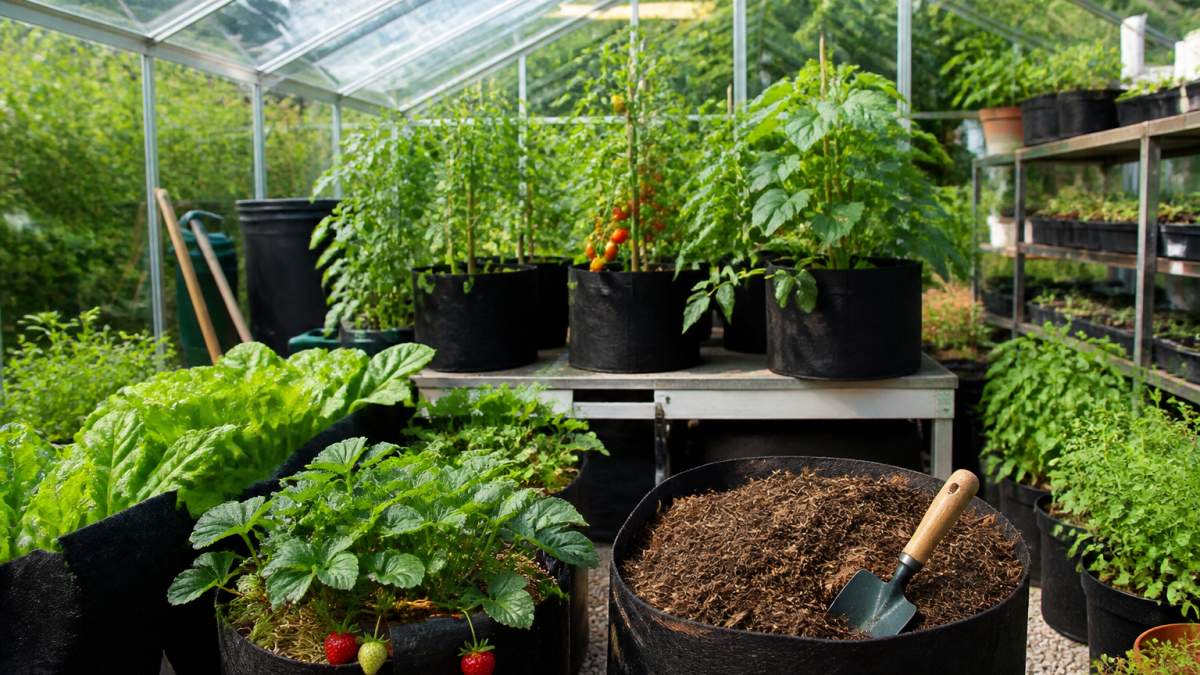
The shift toward sustainable practices in controlled environments reflects a broader truth: eco-friendly growing isn't a trade-off anymore. Research from the Royal Horticultural Society shows that organic and sustainable methods deliver comparable yields to conventional approaches when implemented correctly.
Every choice compounds. Better soil means fewer nutrients needed. Efficient watering means more water for growth. Natural pest control means no chemical residue on your crops.
Choosing Sustainable Growing Media for Greenhouses
Your growing medium determines water retention, nutrient availability, and root health. Most growers default to peat-based substrates, but peat extraction damages ecosystems and leaves you dependent on a finite resource.
Peat-free alternatives drain more predictably, support beneficial soil microbiology, and align your system with sustainable practices.
Peat-Free Substrates That Support Plant Health
Peat-free growing media gives you control without the environmental cost. The UK government's environmental standards for horticulture increasingly favour peat-free approaches for commercial and home growers alike.
Biobizz Light Mix Peat Free (£15.57 for 50L) works well for growers who want flexibility. This substrate uses coir, wood fibre, composted bark, and perlite to create a lightweight, aerated medium. The key advantage: you control nutrient timing. Light Mix stays relatively inert, so you decide when and how much to feed your plants. This prevents nutrient burn and lets you dial in nutrition for each growth stage.
The medium develops vital micro activity as water moves through it, accelerating root development and providing both air and water access essential for strong growth.
Biobizz All Mix Peat Free (£16.49 for 50L) takes a different approach. It's pre-fertilised with organic nutrients built into the substrate itself. This means you get two to three weeks of growth support without adding extra fertiliser. The medium contains only natural organic elements, no synthetic mineral salts.
Pre-fertilised media reduces your workload and minimises nutrient lockout. Moisten it, let it sit 36 hours before planting, and the microbial ecosystem activates.
Living Soil and Coir-Based Options
Living soil takes sustainability further. It's not just a growing medium. It's an active ecosystem of beneficial microbes, fungi, and organic matter that sustains plant health naturally.
Ecothrive Living Soil 40L (£35.00) is handcrafted in the UK and designed for high yields. This coco-based mix contains no peat and includes lab-tested mineral balance. The soil creates the perfect environment for beneficial soil microbiology, which means your plants access nutrients more efficiently and resist stress better.
Pure Harvest Coco Brick 75L (£15.50) offers pure, sustainably sourced coir pith. It's nutrient-free and pH-balanced, which gives you complete control. Just add water to expand it from a compact brick to 75 litres of growing medium.
Coir-based options suit growers building custom soil recipes with compost, nutrients, and amendments tailored to their needs.
Pre-fertilised media saves time; blank-slate gives control. Both beat peat for sustainability and performance.
Greenhouse Water Conservation Strategies
Water is your most precious resource in a greenhouse. Every drop you capture and reuse is a drop you don't need to pump in. Every bit of runoff you prevent is soil and nutrients you keep in your system.
Greenhouses amplify water stress, but also allow efficient capture and reuse.
Capturing and Reusing Water Efficiently
The simplest system is a water butt connected to your greenhouse roof gutters. Rainwater runs off the glass and collects in a tank. This free water needs no treatment. It has no chlorine or mineral imbalance. Your plants love it.
The Autopot 6mm Easy2Go Kit (£20.00) uses a patented AQUAvalve to deliver water from below without timers or electricity, distributing water to match each plant's needs.
It mimics natural capillary action: water moves up from below, roots access what they need, and excess drains away.
For larger greenhouses, consider a drip irrigation system fed from your collected rainwater. Water moves slowly to the root zone where it matters. Evaporation losses drop dramatically compared to overhead watering or hand-watering.
Reducing Runoff and Improving Soil Retention
Runoff carries nutrients, soil, and water out of your system, wasting input and polluting surrounding soil.
Build soil structure with organic matter, compost, and mulch to improve water retention and reduce drainage.
Peat-free substrates help here. Coir and composted bark hold more water than peat whilst maintaining better aeration. Your plants access more water with less frequent watering. Less water runs off.
Mulch the surface of your pots and beds. A 5cm layer of wood chips or straw reduces evaporation and prevents compaction. Water soaks in instead of running off the hardened surface.
Permeable surfaces matter too. Gravel or wood chip pathways allow water to infiltrate instead of pooling and running away. This keeps moisture in the greenhouse ecosystem.
Energy-Efficient Greenhouse Heating Systems
Heating is the biggest energy cost in most greenhouses. Many growers overheat or underheat, wasting fuel or stressing plants.
Precise temperature control heats only when needed, maintaining exact plant preferences while dropping energy use and improving performance.
Thermostat Control and Seasonal Temperature Management
The GH600 Greenhouse Thermostat (£39.00) gives you this precision. It controls heating, cooling, and ventilation from a single unit. Set your target temperature and the thermostat does the rest.
The wide range (0 to +40°C) covers every season, with winter heating protecting plants and summer ventilation opening automatically.
A thermostat switching at exact temperatures uses far less fuel than manual control or continuous systems.
Adjust settings seasonally: seedlings need 18-21°C, fruiting plants prefer 12-15°C nights, overwintering plants need 2-4°C frost protection.
Organic Pest Control in Greenhouses
Synthetic pesticides concentrate in greenhouse air and soil, and pests develop resistance over time.
Organic pest control works better in greenhouses because the enclosed environment is easier to manage and allows you to encourage beneficial insects.
Biobizz Light Mix Peat Free (Large) 50L →
Encouraging Beneficial Insects and Natural Predators
Beneficial insects do the work for you. Ladybirds eat aphids. Parasitic wasps control whitefly. Hoverflies prey on mites. These predators cost nothing once established and work 24/7.
Leave untreated "banker plants" to support pest populations and attract predators. Add flowering plants like alyssum or marigolds to attract beneficial insects.
Provide water and dense foliage for predators to rest and drink, keeping them in your greenhouse to patrol for pests.
Integrated Pest Management Without Synthetic Chemicals
Integrated Pest Management (IPM) combines multiple strategies to keep pests below damaging levels without chemicals.
Start with prevention: remove dead leaves, disinfect tools and containers, and quarantine new plants before introducing them.
Monitor actively. Check plants twice weekly. Catch infestations early when populations are small. Early detection means you stop problems before they spread.
Use physical barriers when needed. Row covers protect seedlings. Sticky traps catch flying insects. Hand-removal works for larger pests like caterpillars.
Spray only when necessary, and use organic options: neem oil, insecticidal soap, or sulphur. These break down quickly and leave no residue. Apply in evening when beneficial insects are inactive.
Rotate your approaches. Pests adapt to single strategies. Mix methods and they never establish resistance.
Building Biodiversity and Supporting Local Ecosystems
A greenhouse doesn't exist in isolation. What you grow and how you grow it affects the wider ecosystem. Sustainable gardening solutions for greenhouses include supporting biodiversity.
Flowering plants attract pollinators and beneficial insects. Even in a greenhouse focused on vegetables, a few flowers create habitat. Bees pollinate your crops. Hoverflies control pests. Native plants support local species.
Choose plants suited to your climate. Native varieties thrive with less input. They're adapted to local conditions. They support local food webs.
Compost your garden waste instead of binning it. Organic matter returns to your soil. Nutrients cycle. You reduce reliance on bought inputs. You build soil health season after season.
Your greenhouse becomes part of a sustainable system rather than an isolated production unit. This mindset shift transforms how you approach every decision.
Reducing Waste Through Reusable and Recycled Materials
Waste in a greenhouse compounds. Plastic pots end up in landfill. Growing media gets discarded after one season. Single-use materials add up.
Reusable containers and sustainable materials cut waste dramatically and often save money long-term.
Fabric Pots and Sustainable Container Solutions
Dirt Bag Grey 12L fabric pots (£11.00 for ten) replace plastic. These breathable, recycled fabric containers improve root zone health. Roots air-prune at the container edge instead of circling. You get healthier, more vigorous root systems.
Fabric pots last for years. You clean them between crops and replant. No plastic waste. No landfill. One set of pots serves dozens of crops.
The breathable design means better aeration and water management. Excess water drains freely. Roots access oxygen. Plants grow faster than in plastic pots of the same size.
Buy once, use forever. That's the sustainable approach that also saves money.
Natural Support Systems for Climbing Plants
Bamboo Canes 1.2m x 12-14mm (£77.46 for 250) provide natural, sustainable plant support. Bamboo is renewable. These canes last multiple seasons. They're biodegradable at end of life.
Gorilla General Purpose Cotton String 100m (£1.80) ties plants naturally. Premium cotton breaks down at the end of the season. No plastic twine left in your soil. No microplastics accumulating in your growing medium.
These natural materials align your greenhouse with sustainable practices.
Measuring Success: Tracking Yield and Resource Efficiency
You can't improve what you don't measure. Track your inputs and outputs. See where you're wasting resources. Find your inefficiencies and fix them.
Keep simple records. How much water did you use this season? How many kilograms did you harvest? What was your cost per kilogram of produce?
Compare season to season. Did your new substrate improve yields? Did the thermostat cut heating costs? Did organic pest control reduce crop loss?
Sustainable gardening solutions for greenhouses work best when you treat your greenhouse as a system. Every input connects to every output.
The Growers Shop provides the tools and guidance to build this system. We stock the peat-free substrates, water systems, thermostats, and containers that make sustainability practical.
Start with one change. Switch your growing medium to peat-free. Add a thermostat to control heating. Set up water capture from your roof.
Sustainable gardening solutions for greenhouses aren't complicated. They're just systems that work with nature instead of against it. Your plants respond. Your costs drop.
Sustainable gardening in a greenhouse is achievable with the right approach and tools. The Growers Shop offers professional-grade solutions designed for UK growers serious about sustainable cultivation.
Frequently Asked Questions
What makes sustainable gardening solutions for greenhouses different from traditional methods?
Sustainable greenhouse gardening prioritises resource efficiency, biodiversity, and long-term soil health over short-term yield maximisation. Key differences include using peat-free growing media, capturing and reusing water, managing climate with precision thermostats rather than constant heating, and controlling pests through beneficial insects instead of synthetic chemicals. These methods reduce your environmental impact whilst often lowering operational costs over time.
How can I reduce water waste in my greenhouse?
Implement water conservation by capturing runoff in water butts, using self-watering systems like the Autopot Easy2Go Kit that distributes water from below, and selecting growing media with strong water retention properties such as coir-based substrates. Mulching around plants reduces evaporation, and monitoring soil moisture prevents overwatering. These practices can extend watering intervals significantly, especially during cooler months.
What sustainable growing media should I use for my greenhouse plants?
Choose peat-free alternatives like Biobizz Light Mix or All Mix, which contain coir, composted bark, and perlite. For premium results, Ecothrive Living Soil offers lab-tested organic nutrients and beneficial microbiology. Pure Harvest Coco Brick provides an affordable, expandable option ideal for containers. All these options support healthy root development, retain water efficiently, and avoid depleting natural peatlands.
Can I control greenhouse pests without using synthetic chemicals?
Yes. Organic pest control in greenhouses relies on encouraging beneficial insects like ladybirds and parasitic wasps, maintaining good air circulation, removing affected leaves promptly, and using natural barriers. Integrated pest management combines these tactics to prevent infestations before they start. This approach protects pollinators, maintains soil health, and creates a safer growing environment for edible crops and medicinal herbs.